

-
Friday, 12 June
-
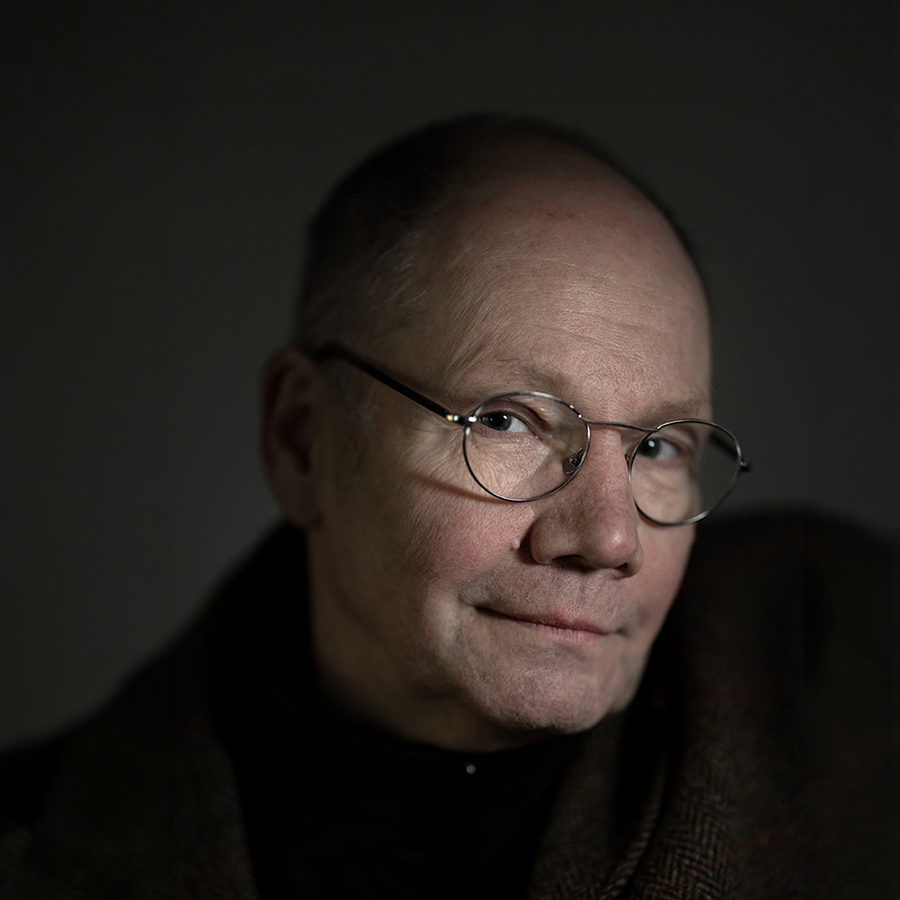
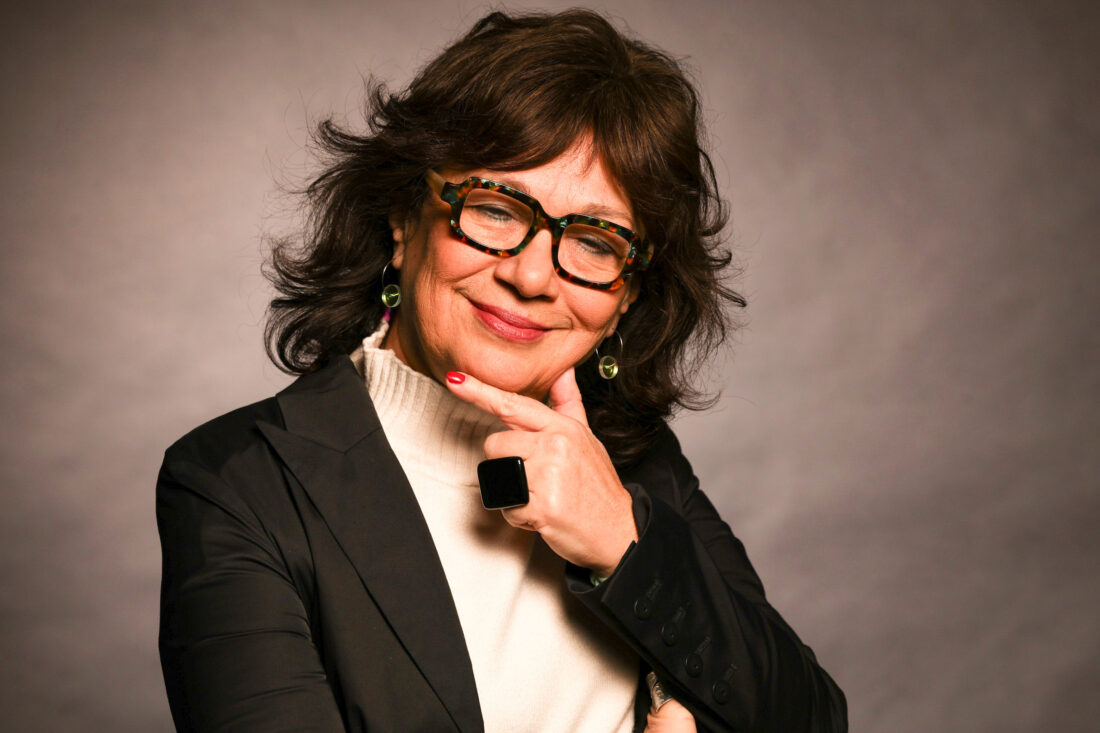
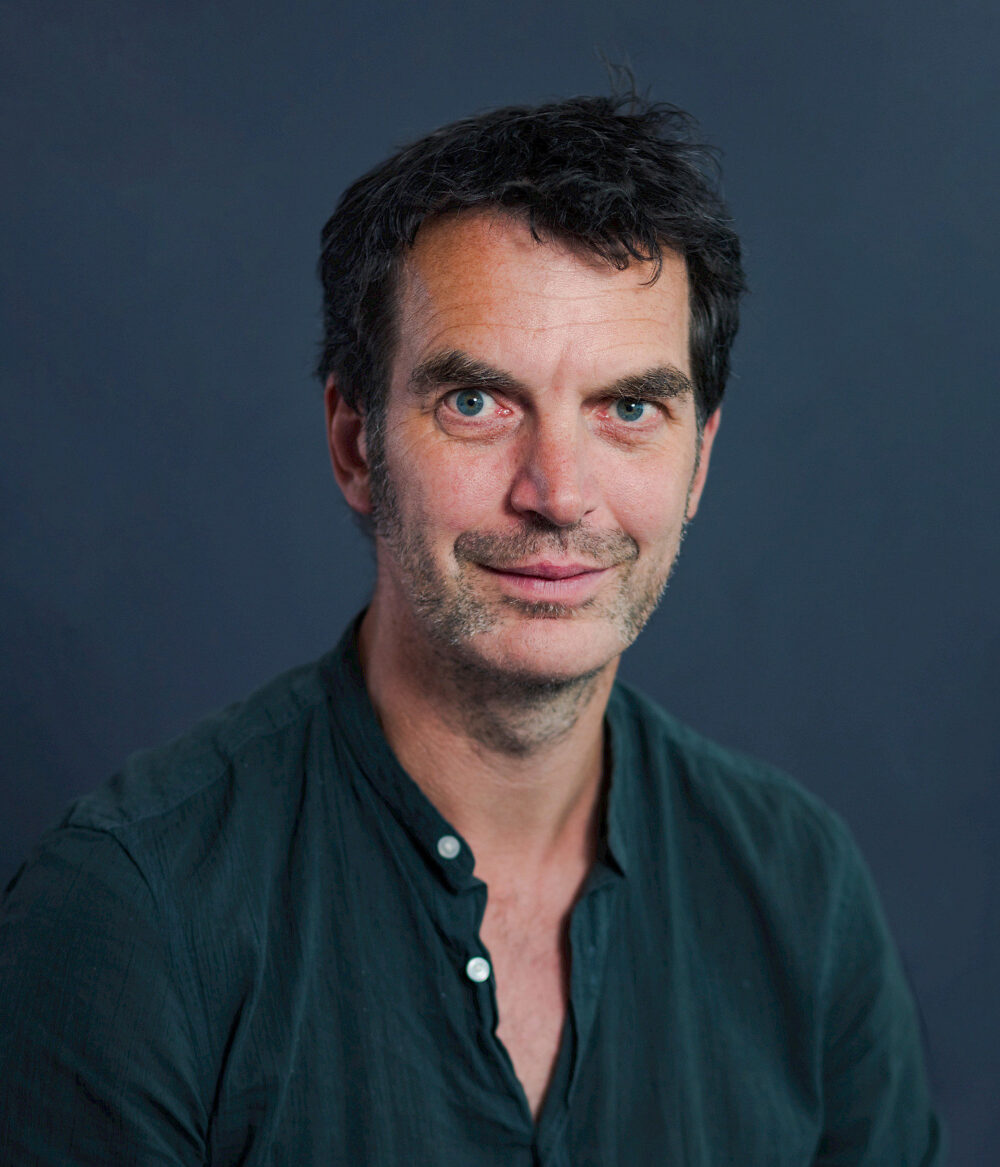
Panel discussion
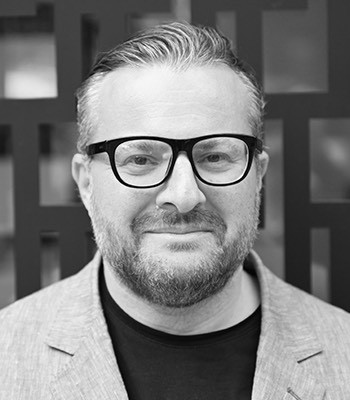
Moderator: Volker Weichsel (DE)
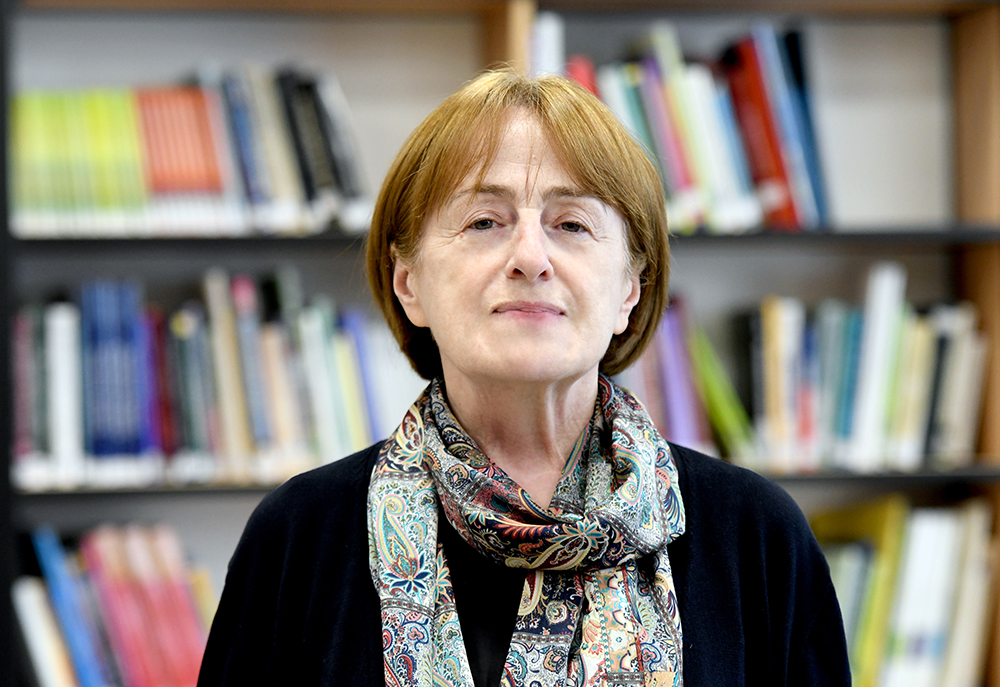
Speakers: Giga Zedania (GE)
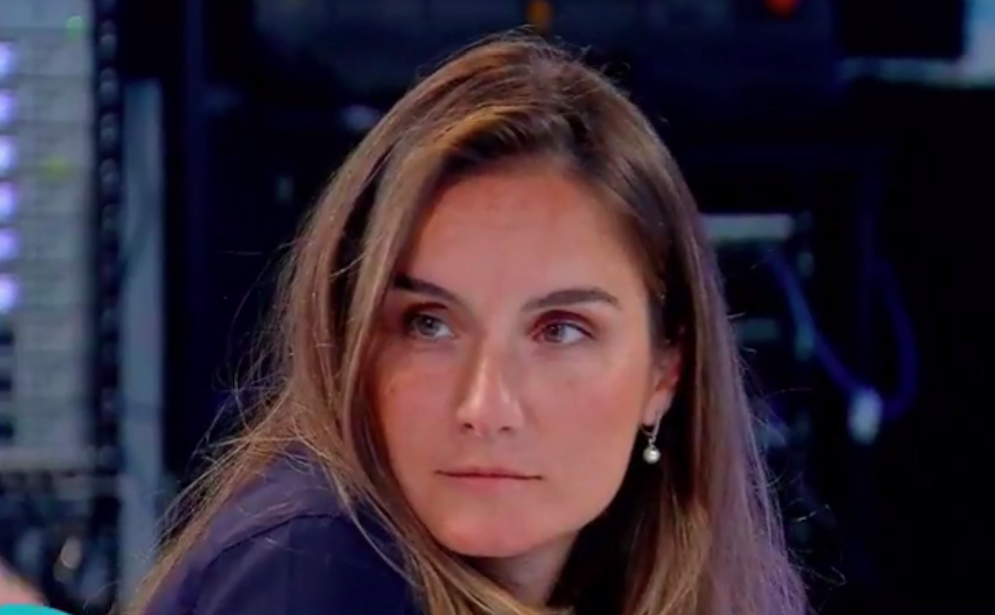
Dubravka Stojanović (RS)
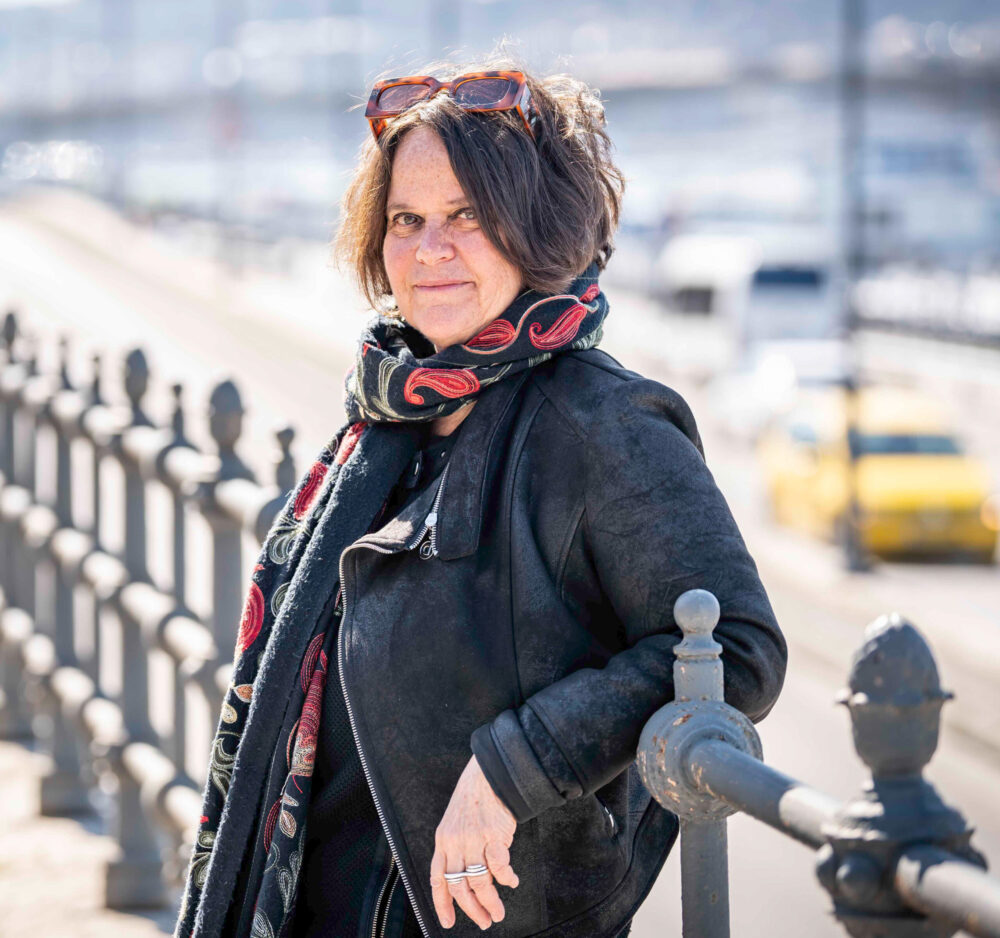
Zsófia Bán (HU)At Ilia State University, 32 Ilia Chavchavadze Avenue
MoreA panel discussion on free speech. Across Europe fundamental democratic freedoms are being undermined. Academic freedom is no exception. Be it economic or political pressure, structural reforms or the primacy of “useable knowledge” over “critical thinking” schools and universities are under attack. Georgian and international scholars will identify the current threats and their historical background. Are there strategies to defend the academic and educational system?
Welcome Addresses by:
Nino Doborjginidze (Rector, Ilia State University; GE)
Zane Rungule (Chargée d’Affaires, EU Delegation to Georgia)
Carl Henrik Fredriksson (Programme Director, Debates on Europe; SE/AT) -
Introduction by Nino Doborjginidze (GE)
- Ilia State University Confers an Honorary Doctorate on Karl Schlögel
- Keynote Speech by Karl Schlögel (DE)
German historian and recent recipient of the Peace Prize of the German Book Trade, Karl Schlögel, on how the fall of the Soviet empire but also the Russian wars on Ukraine and Georgia call for a radical re-evaluation and re-conceptualization of European history and the present moment. Not mainly as a reckoning, but to come closer to the truth.
At Ilia State University, 32 Ilia Chavchavadze Avenue
More -
Panel discussion
Moderator: Zaal Andronikashvili (DE/GE)
Speakers: Karl Schlögel (DE)
Peter Englund (SE)
Nutsa Batiashvili (GE)At Ilia State University, 32 Ilia Chavchavadze Avenue
MoreWhat does de-colonization and re-centering mean for Eastern Europe and the post-Soviet space? In recent years, there is increasing recognition that Russia’s colonial history and its continuing imperial practices must be addressed.
A prominent international panel of historians tries to find out how this political and cultural imperialism should be understood and what histories it has erased or pushed to the margins. What happens when the cultures of Eastern Europe are no langer treated as secondary to those of Russia or Western Europe but are instead recognized as essential parts of Europe’s story?
-
-
Saturday, 13 June
-
From a rostrum in the capital of Georgia, leading Slovak intellectual Michal Hvorecký addresses a Europe-wide audience. As a novelist and essayist, Hvorecký explores the fragility of democracy and the political fault lines of contemporary Central and Eastern Europe with irony, urgency and historical awareness. In his recent book Dissident, he turns to questions of resistance, civic courage and the meaning of dissent in an increasingly polarized Europe.
At Ilia State University, 32 Ilia Chavchavadze AvenueMoreFor many – especially when viewed from the supposed periphery – Europe is not merely a geopolitical actor, but a symbol of freedom, justice and dignity. At the same time, in light of the growing distance to such an old and crucial partner as the United States, the threat posed by Russia, and the rise of an increasingly vocal nationalism, Europe is confronted with the task of redefining itself. Perhaps Georgia, exposed to imperial pressures for centuries and yet repeatedly capable of renewal, is precisely the place from which Europe can reflect anew on its own path.
One of Central Europe’s most perceptive literary voices will explore what Europe stands for – and what must be done to defend it.
-
Tbilisi 2026


In June 2026, the Tbilisi Debate on Europe gathers writers, scholars and journalists to confront urgent questions of freedom, history and democracy. Looking from Georgia, what is at stake for Europe today? Join the discussion!
Today, there is hardly any other city in Europe where European values – including democracy, the rule of law and personal freedoms – are more fiercely attacked and at the same time vigorously defended than in Tbilisi. Since 2022, following Russia’s full-scale invasion of Ukraine, Georgia has experienced a constant struggle between authoritarian and democratic forces, where the name and idea of Europe is incessantly invoked and contested.
In this situation, Debates on Europe find it of utmost importance to give a strong sign of solidarity with the individuals and institutions standing up for basic democratic and human rights in Georgia – writers, publishers, journalists, academics, civil society representatives.
From 12 to 13 June, Tbilisi becomes a vantage point for rethinking Europe. Across debates, lectures and encounters, leading thinkers explore history, freedom and the future of the continent – from its often overlooked margins.
In Tbilisi, international professionals will engage in talks with Georgian colleagues. The main aim of the Tbilisi Debate on Europe is to discuss the ideas and values that have forged Europe through a long history and to understand what part Georgia has played – and continues to play – in the European past, present and future.
Programme
Events are in English and Georgian. Admission is free.